

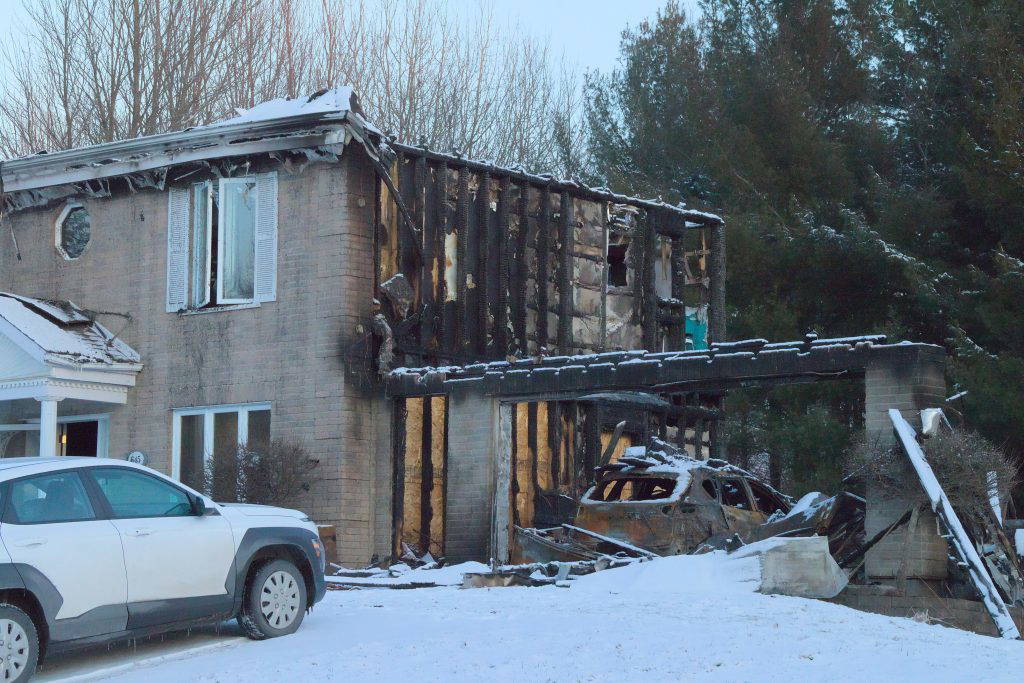
A house fire is one of the most overwhelming events a homeowner can experience. Even a small fire can leave behind smoke damage, water damage from firefighting efforts, and structural concerns that are not immediately visible. In Central Mississippi, where many homes are wood-framed and humidity is high, the aftermath can become more complicated if not handled quickly and carefully.
Knowing what to do in the first few hours and days can make a significant difference in both safety and recovery.
Make sure everyone is safe first
Before anything else, confirm that everyone is out of the home and accounted for. If anyone has been exposed to smoke, it is important to seek medical attention. Smoke inhalation can cause delayed symptoms, including respiratory issues.
Once the fire department has declared the property safe to approach, you can begin thinking about next steps. Do not re-enter the home until officials say it is safe. Structural damage, weakened flooring, or lingering hot spots can still pose a risk.
Contact your insurance company right away
One of the first calls you should make is to your homeowners insurance provider. Most policies require prompt reporting of damage, and early notification helps speed up the claims process.
Take note of your claim number and ask what your policy covers, especially regarding temporary housing, emergency repairs, and personal property replacement. If you are unsure about coverage details, the Mississippi Insurance Department offers guidance here:
https://www.mid.ms.gov/consumers/homeowners-insurance.aspx
Secure the property to prevent further damage
After a fire, homes are often left exposed. Windows may be broken, roofs damaged, and doors compromised. This can lead to additional issues like theft, weather exposure, or animal intrusion.
Emergency board-up and tarping services are typically part of professional restoration. Companies like Paul Davis of Central Mississippi often handle this step quickly to stabilize the property and prevent further loss.
Document everything before cleanup begins
It may feel natural to start cleaning right away, but it is important to document the damage first. Take photos and videos of every affected area, including:
- Structural damage
- Burned materials
- Smoke stains on walls and ceilings
- Water damage from hoses or sprinklers
- Personal belongings
Try to capture wide shots and close-ups. This documentation will support your insurance claim and help ensure nothing is overlooked.
Do not attempt deep cleaning yourself
Many homeowners try to clean soot or smoke damage on their own, but this can actually make things worse. Soot is acidic and can permanently stain surfaces if handled incorrectly.
For example, wiping soot from walls with a regular cloth can push particles deeper into paint or drywall. Similarly, using water on certain materials can cause smearing or additional damage.
Professional restoration teams use specialized equipment such as HEPA vacuums, air scrubbers, and chemical sponges designed specifically for fire damage.
Understand that water damage is part of the problem
Even if the fire itself was contained quickly, water used to extinguish it can soak into flooring, walls, and insulation. This creates a secondary risk of mold growth, especially in Mississippi’s humid climate.
According to the Federal Emergency Management Agency (FEMA), mold can begin to grow within 24 to 48 hours after water exposure:
https://www.fema.gov/fact-sheet/mold-basics-after-disaster
This is why drying and dehumidification should begin as soon as possible. Restoration professionals often bring in industrial-grade fans and dehumidifiers to remove moisture efficiently.
Arrange temporary housing if needed
Depending on the extent of the damage, your home may not be livable for some time. Many insurance policies include “loss of use” coverage, which helps pay for temporary housing, meals, and related expenses.
Keep all receipts for anything related to displacement. This includes hotel stays, food, clothing, and transportation. These costs may be reimbursable.
Make a list of damaged belongings
Creating an inventory of damaged or destroyed items can feel overwhelming, but it is an important part of your claim. Start with major categories such as furniture, electronics, clothing, and appliances.
For each item, try to include:
- Description
- Approximate age
- Estimated value
- Photos if available
If you have receipts or records, gather those as well. Even bank statements can help verify purchases.
Be cautious of lingering hazards
After a fire, there can still be hidden dangers inside the home. These may include:
- Structural instability
- Electrical issues
- Contaminated air
- Sharp debris
Wear protective gear if you must enter the property. This includes gloves, masks, and sturdy footwear. Avoid turning on utilities until they have been inspected.
Work with a professional restoration team
Fire damage restoration is not just about cleaning visible damage. It involves addressing smoke odor, air quality, structural integrity, and moisture control.
A full restoration process may include:
- Debris removal
- Smoke and soot cleaning
- Odor neutralization
- Structural drying
- Repairs and reconstruction
Working with a local company familiar with Mississippi conditions can make a big difference. They understand regional weather patterns, building materials, and insurance processes.
Stay organized and patient
Recovery after a house fire is rarely quick. There are multiple moving parts, including insurance adjusters, contractors, and restoration teams.
Keep a dedicated folder or digital file with:
- Claim documents
- Contact information
- Receipts
- Photos
- Notes from conversations
This helps you stay in control of the process and reduces stress over time.
The first 24 to 72 hours after a fire are critical. Taking the right steps early can prevent additional damage, speed up recovery, and help you return to normal life sooner.