
by Meredith Biesinger, Magnolia Tribune
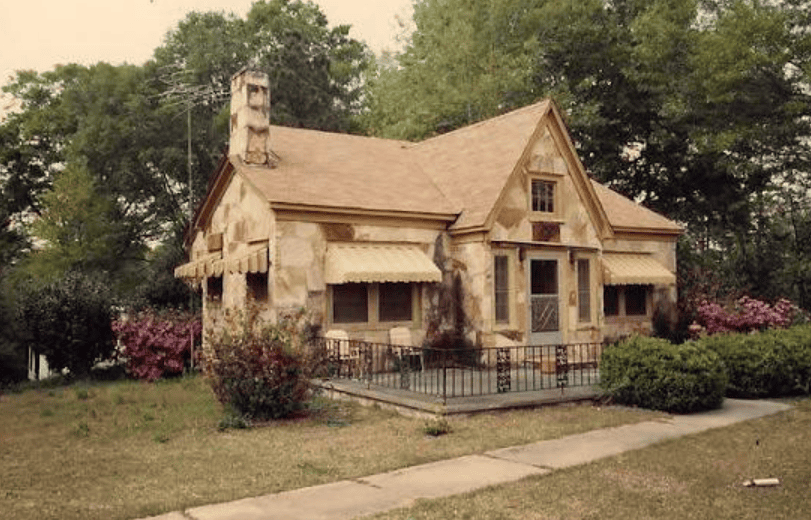
(Photo by Bobby Bond)
In 1949, Simmy Miller hauled load after load of stone from Sand Mountain in northern Alabama all the way to Purvis, Mississippi.
Then he built a house nobody would forget.
More than 75 years later, you still can’t drive through Purvis without noticing it.
The Rock House, as generations of locals have known it, looks almost as though it wandered out of the mountains and somehow landed among the pine trees of South Mississippi. Its heavy stone exterior and cottage-like appearance are unexpected here—and that’s exactly what makes it so special.
My family and I used to live in Purvis, and I couldn’t tell you how many times I drove past that house. Hundreds, probably. It was simply part of the familiar landscape of everyday life, yet it never really blended into the background. You noticed it.
You still do.
Today, the building looks a little different, but beneath the changes is the same remarkable house Miller built from stones he personally brought hundreds of miles to Purvis.
And there is quite a story behind those walls.
I recently talked with Purvis historian George Stevens about the history of the Rock House and the man responsible for creating it. Miller constructed the home around 1949 using stone quarried from Sand Mountain. He personally transported the massive stones back to South Mississippi, using them to build the Rock House as well as a similar neighboring property.
Consider the work involved in that—especially in 1949.
Miller wasn’t ordering a load of decorative stone and waiting for a delivery truck. He went to Sand Mountain, hauled the stone to Purvis, and built with it.
And not just any house.
In a part of Mississippi known for pine trees, brick homes, white churches, and wide Southern porches, Miller created something that looked as though it belonged in another place entirely—a stone cottage sitting right in the heart of Purvis.
Mill had a vision, and more than 75 years later, people are still talking about it.
The Rock House eventually became more than an interesting residence. Many people remember it as the original home of the Stonehouse restaurant, where the building itself became part of the experience. The restaurant later relocated, but thankfully, the old house didn’t fade away.
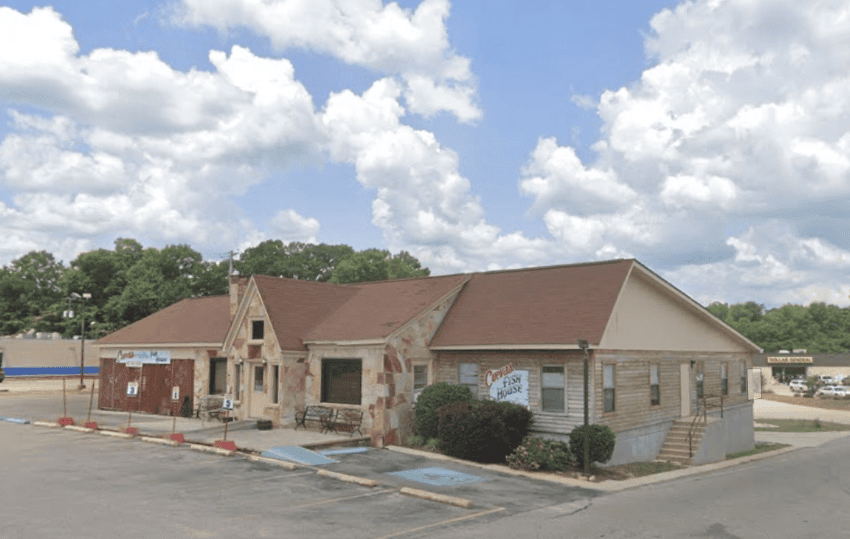
Today, the Rock House is home to Cuevas Fish House and has been beautifully restored and given another life.
I love that.
We sometimes have a narrow idea of what historic preservation should look like. We picture velvet ropes, museum exhibits, and plaques explaining what happened inside a building decades ago.
But sometimes the best way to preserve an old building is to keep using it.
Open the doors. Turn on the lights. Fill the tables.
Let people walk across the floors, eat supper and gather with friends inside those old walls. Let another generation know the building not because they saw an old photograph of it somewhere, but because they actually went there.
The Rock House has done exactly that.
And in a town like Purvis, that feels especially fitting.
Purvis knows something about survival and rebuilding. In 1908, a devastating tornado tore through the town, killing dozens and destroying much of the community. Purvis rebuilt. It endured. More than a century later, it remains a small South Mississippi town with a strong identity and a history its residents have worked hard to remember.
The Rock House represents a much smaller chapter of that history, but places like it give a town its personality.
Every community has buildings people use as landmarks without even realizing they’ve become landmarks.
Turn by the old school.
Go past the church.
It’s right down from the Rock House.
Locals will know exactly where you mean.
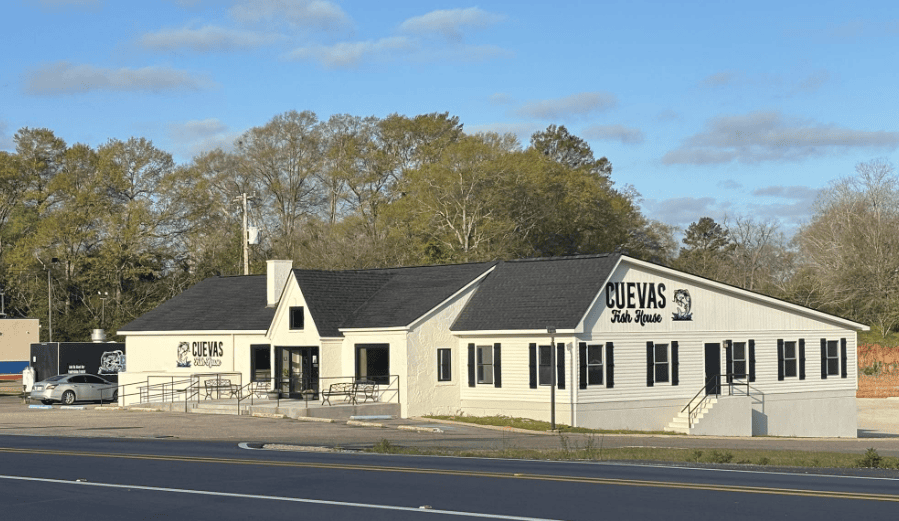
Maybe that’s why I still think about it years after moving away. I passed it during all those ordinary days—errands, school drop-offs and pick-ups, and grocery runs to Ramey’s. I didn’t stop each time to think that Simmy Miller once hauled those stones hundreds of miles from an Alabama mountain and carefully set them in place.
It was simply part of Purvis.
Sometimes we don’t recognize how special familiar places are until they’re no longer part of our everyday drive.
Mississippi is full of places like this. They may never make the cover of an architecture book or have tourists lined up outside, but they matter because they belong specifically to a place and to the people who know their stories.
More than 75 years after Simmy Miller brought those stones down from Sand Mountain, the Rock House is still standing, still being used and still catching the eye of people passing by.
It may look a little different these days, but those stones are still telling a story.
And the next time I’m back in Purvis, I won’t just drive by.
I think I’ll stop for some fish.