

By: Roscoe Barnes III, Ph.D., Visit Natchez
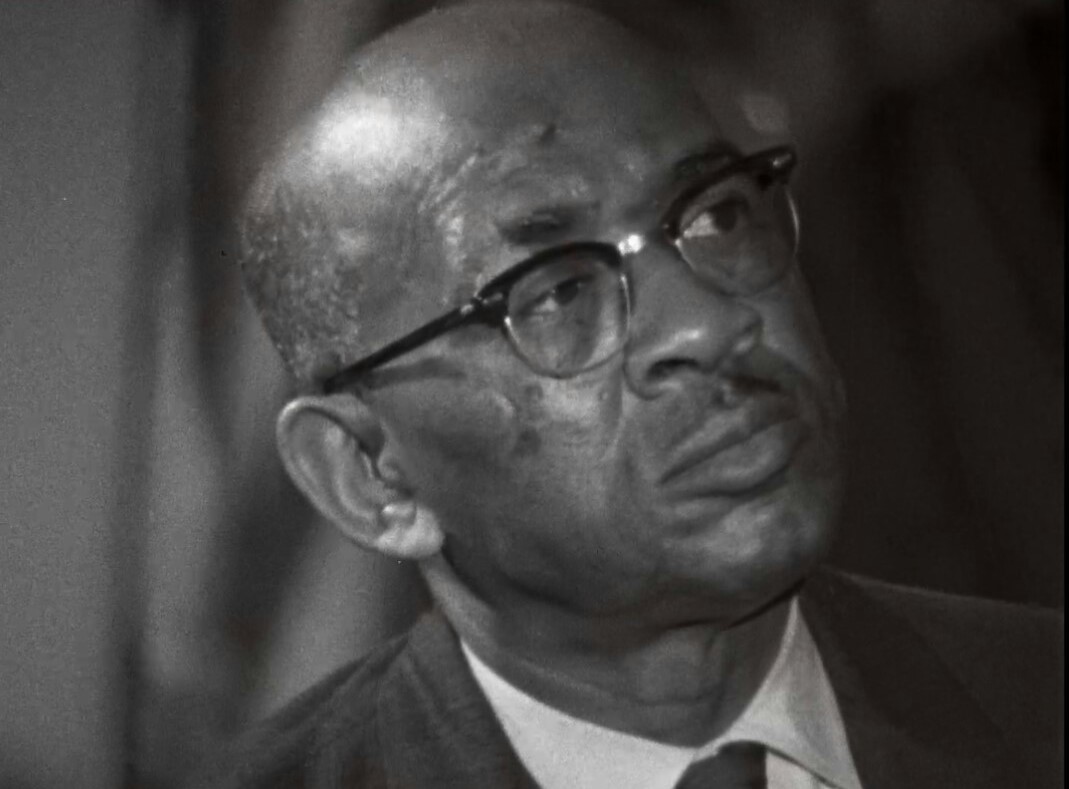
ivil rights leader George Metcalfe will be honored with a new historical marker approved by the Mississippi Department of Archives and History. (Photo courtesy of Ed Pincus Film Collection Amistad Research Center, New Orleans, LA)
A new historical marker honoring civil rights leader George Metcalfe (1911-1989) has been approved by the Mississippi Department of Archives and History, Caleb Ellison, MDAH Program Manager, announced recently.
“The story of George Metcalfe is extremely important in the history of Natchez,” said Ellison. “This marker is a well-deserved tribute to his remarkable and enduring legacy.”
The marker will be installed in or near the triangle between Kelly Avenue, Brenham Avenue, and South Concord Avenue, which is the site where Metcalfe’s car was bombed by the Ku Klux Klan on August 27, 1965. This site is on the west side of the Armstrong Tire and Rubber Company, where Metcalfe was employed.
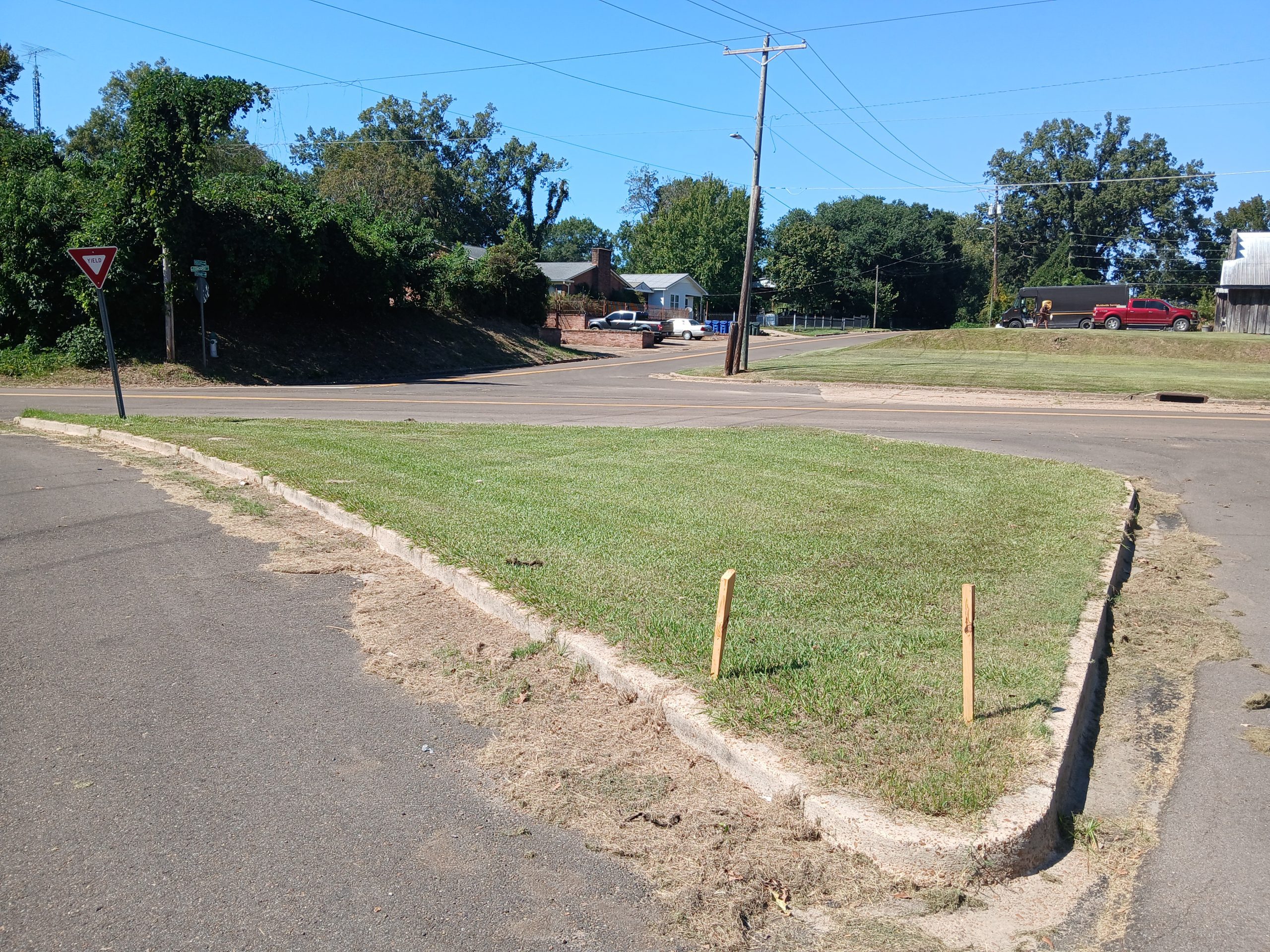
A new historical marker honoring civil rights leader George Metcalfe will be posted at this location between Kelly Avenue, Brenham Avenue, and South Concord Avenue, near the Armstrong Tire and Rubber Company. (Photo by Roscoe Barnes III)
“George Metcalfe is representative of the thousands of Black World War II veterans who came home and launched the modern Civil Rights Movement,” said Michael Morris, historian, and director of The Two Mississippi Museums in Jackson. “He is more than deserving of a state historical marker, which will detail the horrific violence he faced as he led the Natchez movement in the 1960s.”
It will take at least six months for the marker to be manufactured and delivered to Natchez. Mayor Dan Gibson said he hopes it will arrive before August 27 – the anniversary of the bombing. He said it would be quite fitting to dedicate the marker on that date.
“I am so grateful to see the day that our city properly pays tribute to the legacy of Mr. George Metcalfe, a pioneer in civil rights history – a man who did so much to engage our Black citizens in the electoral process and bring needed change to our city and state,” Gibson said. “The cowardly attack upon his life only served to bring more attention to the need for change to happen. He and his family suffered greatly, and all who believe in freedom and justice should never forget the price he paid.”
‘A born leader’
Local historian Royal Hill Jr. said he is grateful to Metcalfe and others for their contributions to the Civil Rights Movement in Natchez.
“It’s due time for a marker honoring Mr. Metcalfe,” he said. “When we speak of ancestors, we often speak of their sacrifices as blood, sweat, tears, or death. Mr. Metcalfe and the NAACP created the model as to how to lead and get results during the civil rights era. He was an icon and a born leader, that truly sacrificed for our race of people.”
Metcalfe was a World War II veteran who worked multiple jobs leading up to his work with the Natchez branch of the NAACP, where he served as president. He and his wife, Adell, moved to Natchez from Louisiana around 1940. He worked as a truck driver for a sawmill and sold burial insurance. He also drew income from his rental property.
His work with the NAACP made him a target of the Klan. In addition to leading a successful voter drive that resulted in over 8,000 African Americans registering to vote, he and the NAACP called on the Natchez city administration to denounce white supremacist groups and to end police brutality, among other things. They also urged the city to hire Black employees and to desegregate swimming pools, parks, and other public facilities.
On one occasion, Metcalfe led a delegation that confronted the school board with a signed petition calling for the desegregation of the public school system.
The car bombing
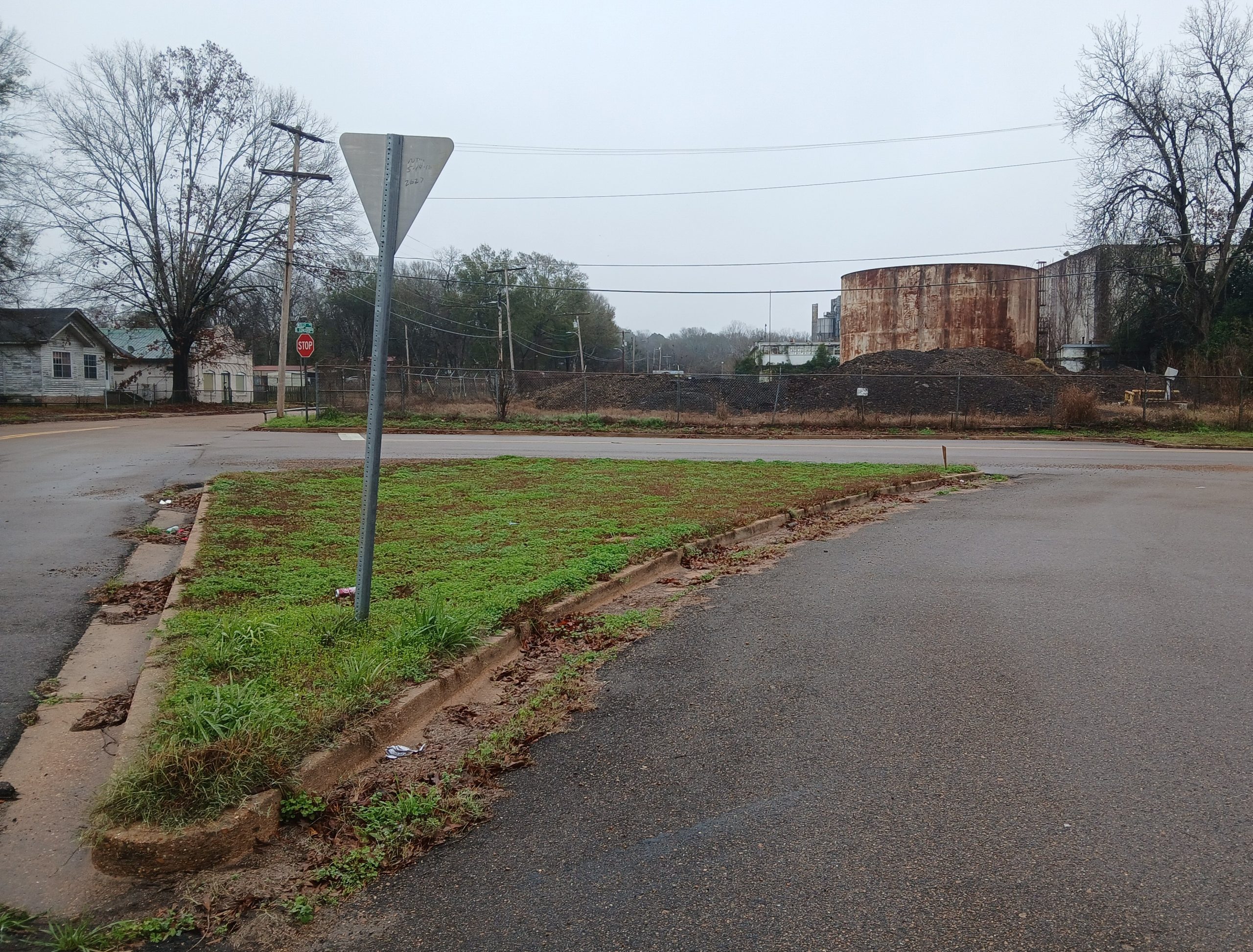
George Metcalfe’s car was parked in this area between Kelly Avenue, Brenham Avenue, and South Concord Avenue, when it was bombed by the Ku Klux Klan on August 27, 1965, near Armstrong Tire and Rubber Company. The plant can be seen here in the background. (Photo by Roscoe Barnes III)
On Friday, August 27, 1965, Metcalfe completed his shift around noon at Armstrong and walked outside the plant to his 1955 Chevrolet sedan. When he placed his key in the ignition and turned the switch, a bomb, planted inside the car by the Klan, exploded.
Metcalfe survived with severe injuries that included burns, glass lacerations, and a broken arm. His right leg was shattered in three places, and his right eye was permanently damaged, according to historians. No one was ever charged with the crime. Nevertheless, the bombing fueled the local Civil Rights Movement. Historians say it became a turning point in the movement.
Most notably, the bombing galvanized the Black community, prompting them to rise up and organize protest rallies. They marched, and they boycotted white-owned businesses. Many Blacks armed themselves and spoke out against the Klan violence.
In September 1965, the Natchez Deacons for Defense and Justice organized to provide armed protection for Blacks and the civil rights workers against the Klan.
In December 1965, the city of Natchez conceded to the demands of the NAACP. Metcalfe, however, spent a year recovering from his injuries and eventually returned to work at Armstrong, alongside suspected Klan members and people linked to the attack, according to Stanley Nelson, author of “Devils Walking: Klan Murders Along the Mississippi River in the 1960s” (LSU Press, 2016).
Metcalfe eventually moved back to Monroe, Louisiana and died unexpectedly on April 21, 1989, in his home. He was 77.