

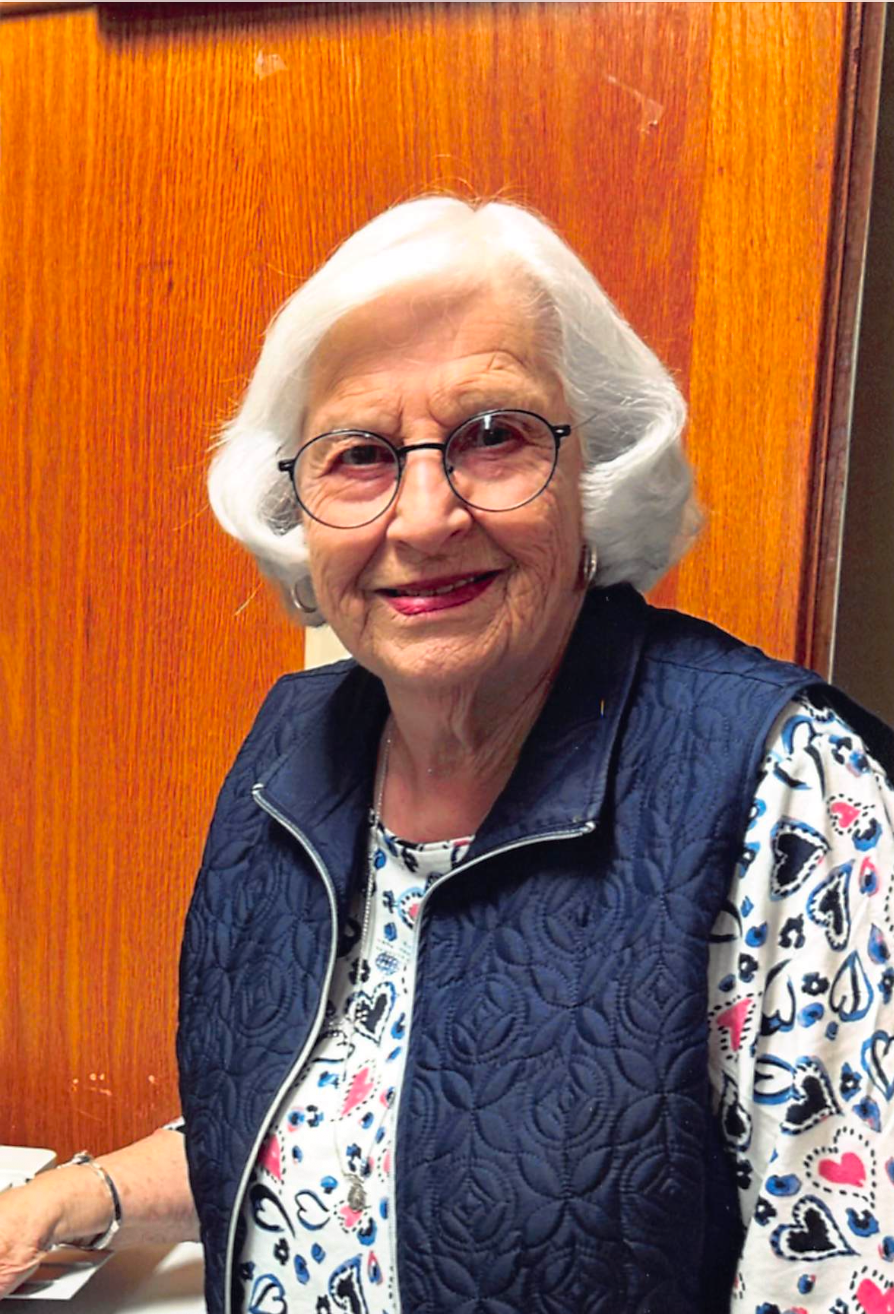
Natchez Native, Corinne Randazzo
The Natchez Historical Society will explore the remarkable story of how the town of Vidalia, Louisiana, was physically relocated following the Great Mississippi Flood of 1927 during a special program Oct. 27.
Natchez native Corinne Randazzo, who was a child during the historic flood, will share her recollections and photographs, along with details of the extensive effort she undertook with Katherine Calhoun to document the houses that were moved.
The Great Mississippi Flood of 1927 remains the most destructive river flood in U.S. history. The disaster inundated Vidalia, forcing residents to seek shelter in tent camps on surviving levees or cross the Mississippi River by ferry to find higher ground in Natchez.
The flood forever changed how communities and government agencies approached flood control along the Mississippi River. In 1938 and 1939, Vidalia’s leaders and the U.S. Army Corps of Engineers decided to relocate the town about a mile west to higher ground. The Corps’ plans to widen the river channel and create a levee setback meant the original town site would eventually be submerged.
Rather than abandon their community, Vidalia residents undertook the extraordinary task of moving the town itself. Using manual jacks, workers lifted houses onto massive timber skids and heavy wooden beams before hauling them along dirt roads with tractors and mule teams. Moving at a walking pace, residents relocated more than 100 structures, including two-story homes, businesses, churches and the town school.
Randazzo’s presentation will detail this remarkable undertaking and the effort to document the buildings that made the move possible, offering a firsthand perspective on a defining chapter in the region’s history.
The program is part of the Natchez Historical Society’s Grace MacNeil Lecture Program. The meeting will begin at 5:30 p.m. with a social gathering and refreshments at 108 South Commerce St. The presentation will follow at 6 p.m.
Natchez Historical Society programs are free and open to the public.