

By: Brad Viator
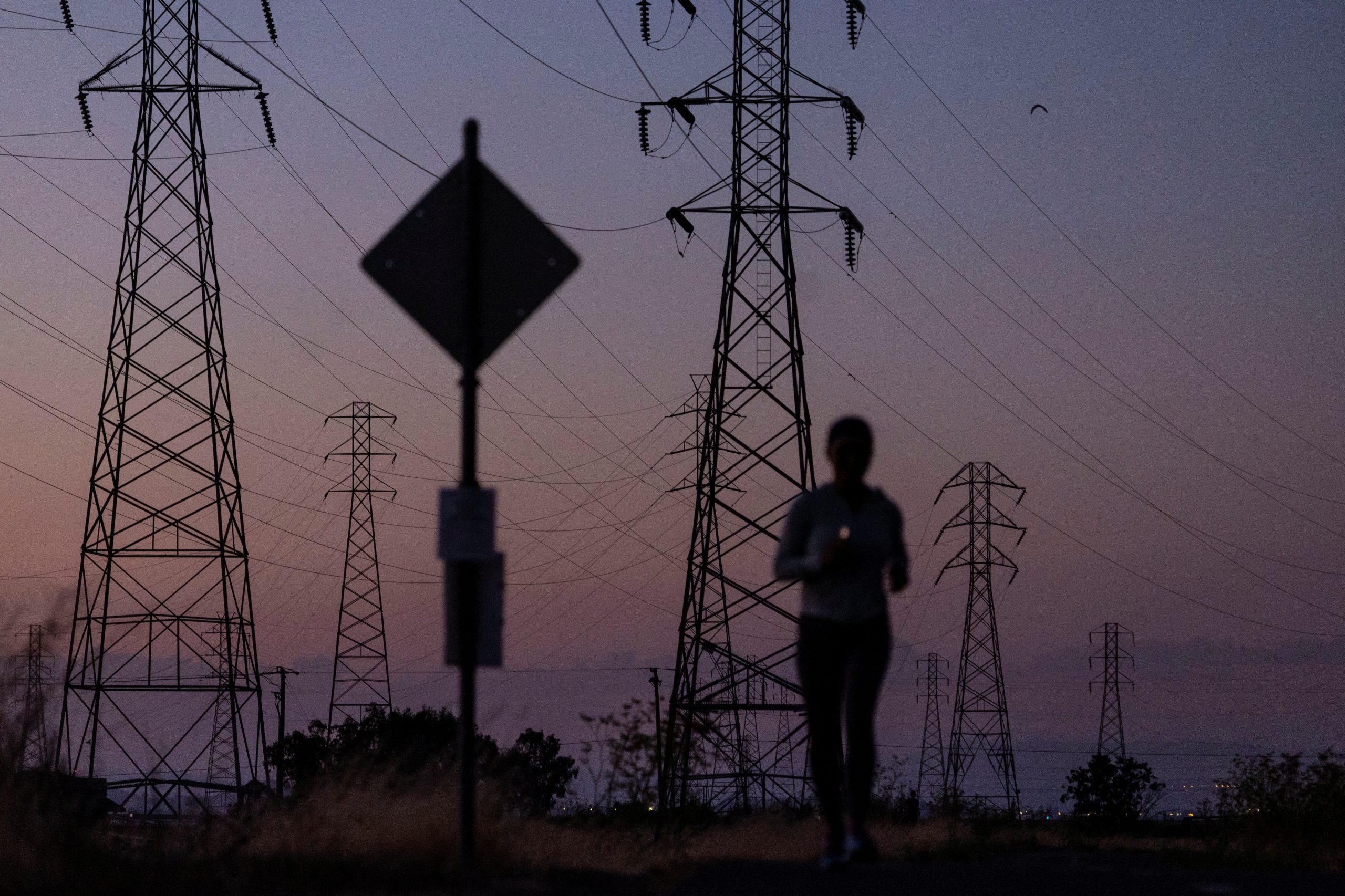
Photo credit: REUTERS
Electricity rates are going up nationwide, and data centers aren’t always to blame. But a common misconception by some unfamiliar with how power grids work, is that data centers strain public utilities and raise electricity rates for existing customers.
At Power for Tomorrow, we track how utilities adapt to emerging challenges like artificial intelligence (AI) and data centers, sharing what works and what doesn’t. In fact, as a board member, I was recently asked by the Mississippi Public Service Commission to provide testimony on electricity policy in the state during their Power Grid Summit. Entergy Mississippi’s recent announcement that they will power the new multi-campus data center facilities that Amazon Web Services is building in the state provides a timely example of how public utilities can serve data centers effectively without raising rates or disrupting service for existing customers.
One of the nation’s leading science labs – the same one that Congress selected last year to prepare a report on data center energy usage – recently identified that in many instances, large customer growth—in some places from data center expansion—has helped stabilize or lower electric bills for residential customers and small businesses. When managed strategically, large-scale industrial growth in a state can, and should, benefit all residents.
Amazon’s multi-campus data center plans in Mississippi come with a $13 billion investment in the state. While large industrial facilities like data centers require substantial power, Entergy Mississippi has structured their service agreement with the tech giant to ensure that existing customers are not burdened by the cost. In fact, the opposite is true: Amazon is funding its own grid connections in addition to helping fund some improvements that will benefit all Entergy customers, and which would normally be paid for through customer bills. This means the data center’s presence on the grid will actually help lower—not raise—power bills.
For example, Amazon is providing the funds for Entergy Mississippi to build new, more efficient plants to replace aging generators ahead of schedule to ensure that their facilities can draw sufficient power from the grid without affecting other customers – a move that will save customers an estimated $1.3 million in replacement costs and $700 million in future fuel expenses.
Entergy Mississippi recently announced that they’re investing nearly $1 billion to modernize the electric grid across the state with upgrades to improve reliability and cut outages in half for all customers. They’re crediting the revenue and cost savings generated by Amazon and other large industrial customers for generating $300 million of that funding that will not be charged to other customers.
Upgrades planned include stronger poles to withstand severe weather, advanced monitoring systems to detect and reroute power during outages, and aggressive vegetation management and tree trimming to prevent damage to power lines before it occurs. While extreme weather events will always pose a risk, these improvements will help prevent some outages before they happen and reduce the duration and impact of the ones that are unavoidable.
The historic economic growth happening in Mississippi shows that when utilities take a thoughtful approach to integrating hyperscale customers into public electric grids, new industry like data centers can actually lower—instead of raise—power bills. It should also be noted that
By attracting data centers, Entergy is boosting grid reliability and lowering bills—improving life for all Mississippians. The utility’s strategy of aligning infrastructure investments with industrial growth is enhancing grid reliability, lowering long-term costs, and supporting economic development across the state. This approach is not only benefiting Mississippi residents today—it is also establishing a model that other utilities across the country can follow.

Brad Viator
The author is the Chief Executive Officer of B Strategic and serves on the Board of Directors of Power for Tomorrow.