

Special to The Mississippi Monitor
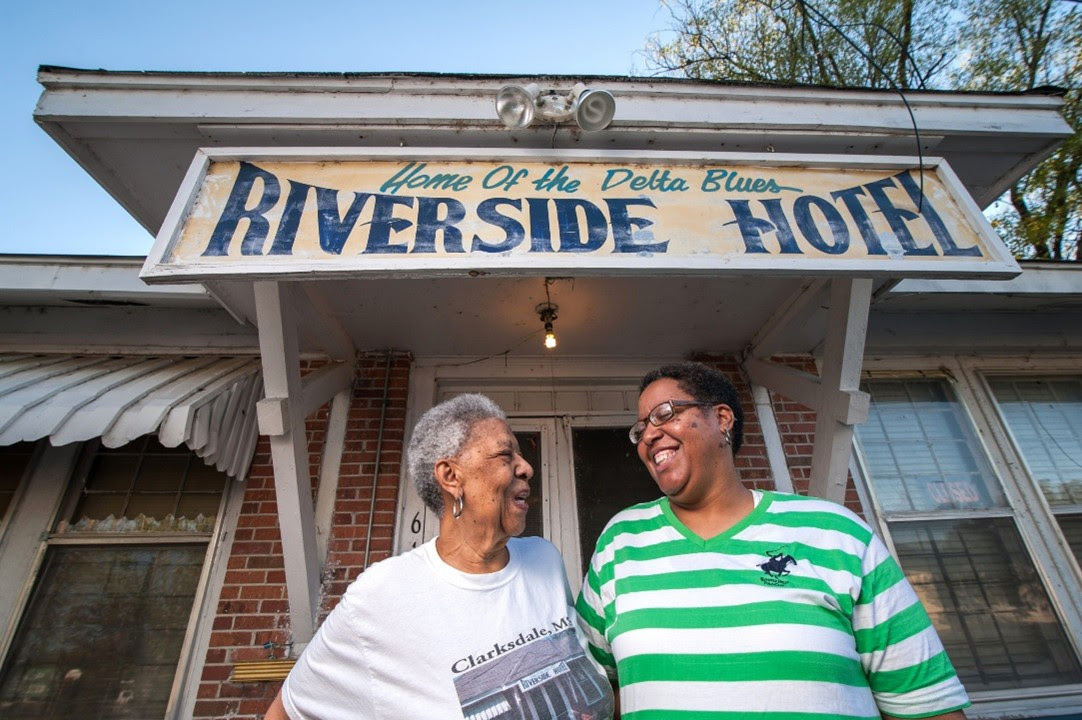
Among Clarksdale’s most historic properties is the Riverside Hotel, which first operated as an African American hospital before the Ratliff family purchased the property and transformed it into a boarding house/The Green Book hotel. Famous guests have included Duke Ellington, Ike Turner and Robert Nighthawk. | Credit: Clarksdale-Coahoma Tourism
The Riverside Hotel in Clarksdale, Mississippi, is far more than just a building; it is a living testament to African American resilience, culture, and history. Located at 615 Sunflower Avenue, the hotel opened in 1944 during a period of strict segregation, offering a safe haven for Black travelers, patients, and artists at a time when such spaces were scarce across the South.
For 27 years, the Riverside Hotel also served as the Clarksdale Colored Hospital, providing essential medical care to African Americans who were denied treatment in white-only hospitals. During this period, the hotel became a center of community support, health, and safety, playing a critical role in a segregated society where access to healthcare was limited. Its dual role as a hospital and a hotel underscores the ways in which African Americans carved out spaces of dignity and self-sufficiency in the face of systemic discrimination.
The Riverside Hotel was also closely tied to the Mississippi Delta’s rich musical heritage. From its earliest days, it provided lodging for Black musicians traveling through the region. Legendary performers including Sonny Boy Williamson II, Ike Turner, Howlin’ Wolf, Muddy Waters, and Sam Cooke stayed at the hotel while touring juke joints and performance venues throughout the South. For these artists, Riverside was more than a place to sleep—it was a safe and supportive environment that nurtured creativity and cultural exchange, contributing to the rise of the Blues as a global musical phenomenon.
Its significance extended beyond hospitality and culture. The Riverside Hotel was the only hotel in Clarksdale ever listed in The Green Book, the travel guide published from 1936 to 1966 that helped African American motorists navigate the dangers of segregation safely. This recognition made Riverside an essential resource for Black travelers navigating the Jim Crow South, symbolizing safety, dignity, and community.
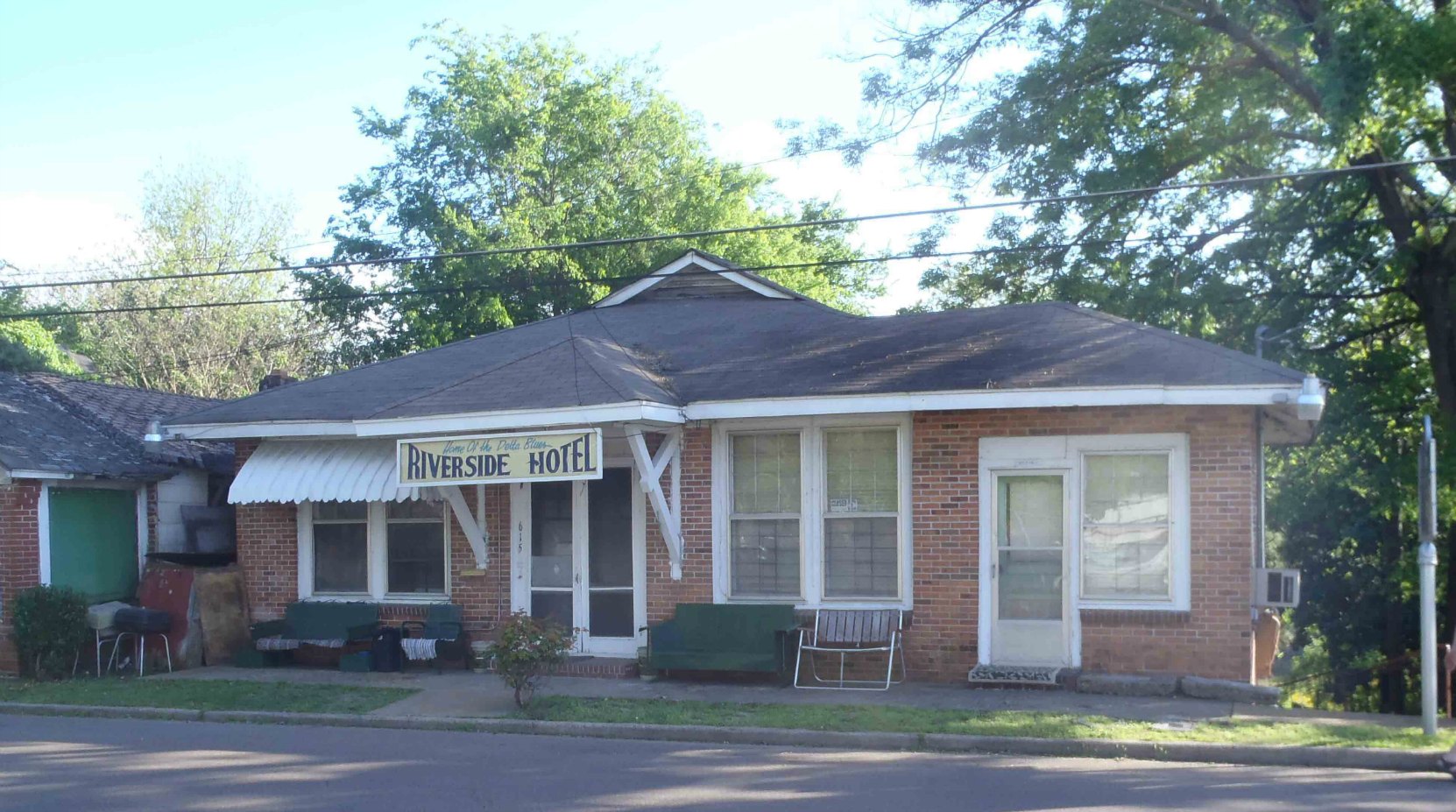
In recognition of its historical and cultural importance, the Riverside Hotel was added to the African American Civil Rights Network in 2023, joining an elite group of only 70 sites nationwide honored for their roles in the struggle for civil rights. The designation acknowledges not only the hotel’s function as a safe space during segregation but also its broader impact on civil rights activism, healthcare access, and African American culture in the Delta.
In 2025, the Riverside Hotel Interpretive Center—also known as the Living Blues and Civil Rights Museum—opened on the hotel grounds. The museum brings to life the hotel’s multifaceted history, telling stories of its years as a hospital, its centrality in the Civil Rights Movement, and its connections to some of the greatest musicians in American history. Visitors can explore exhibits that illustrate the struggles, achievements, and resilience of African Americans in Clarksdale, experiencing firsthand how the hotel served as both a sanctuary and a catalyst for cultural and social progress.
Today, the Riverside Hotel remains a symbol of courage, creativity, and community. It stands as a reminder that even during times of oppression, spaces existed where African Americans could heal, organize, and create. From saving lives as a hospital to nurturing the sounds of the Blues and supporting civil rights activism, the Riverside Hotel has left an indelible mark on the Mississippi Delta and continues to educate and inspire generations.